I have always been perplexed by the history of photography in Cambodia because the Khmer Rouge banned and destroyed photographs and other personal objects, causing a severe lack of family photos within our diaspora. During the regime, mass evacuations forced choices about what could be carried, leaving many having to leave their family photographs behind or bury them underground. While photography was forbidden amongst everyday people, Khmer Rouge cadres utilized it in their camps and prisons, documenting their new society as well as people they wanted to interrogate or execute.
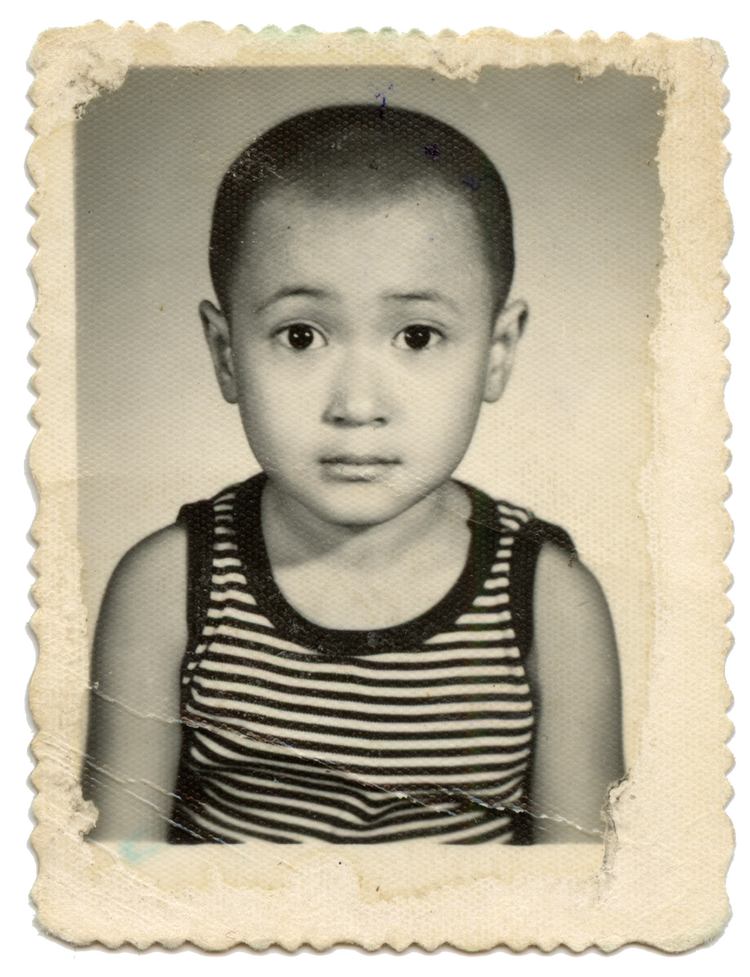
Avie Ngeth photographed by Khmer Rouge
Moung Ruessei, year unknown
In Moung Ruessei, a Khmer Rouge cadre photographed my mother’s younger sister, Avie, who was later executed for her inability to work in the rice fields due to malnutrition. When the regime fell, my mother brought this photo with her to Phnom Penh, where she recovered a handful of photographs of her mother and father amidst the rubble of her childhood home. She then smuggled these surviving photos inside a rice bag across the Thai border to the Khao-I-Dang refugee camp, eventually bringing them with her to the United States.
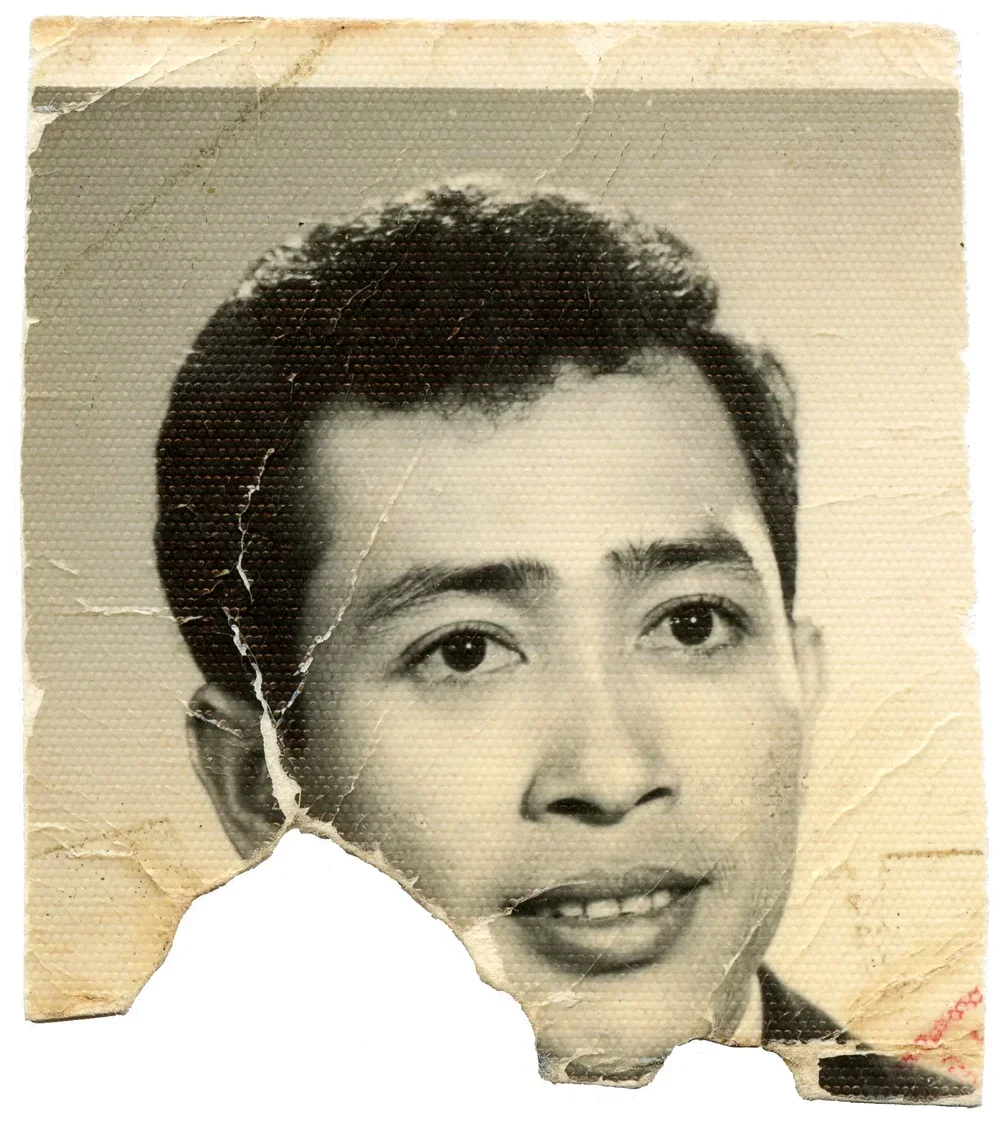
Sethon Ngeth
Photographer, year, location unknown
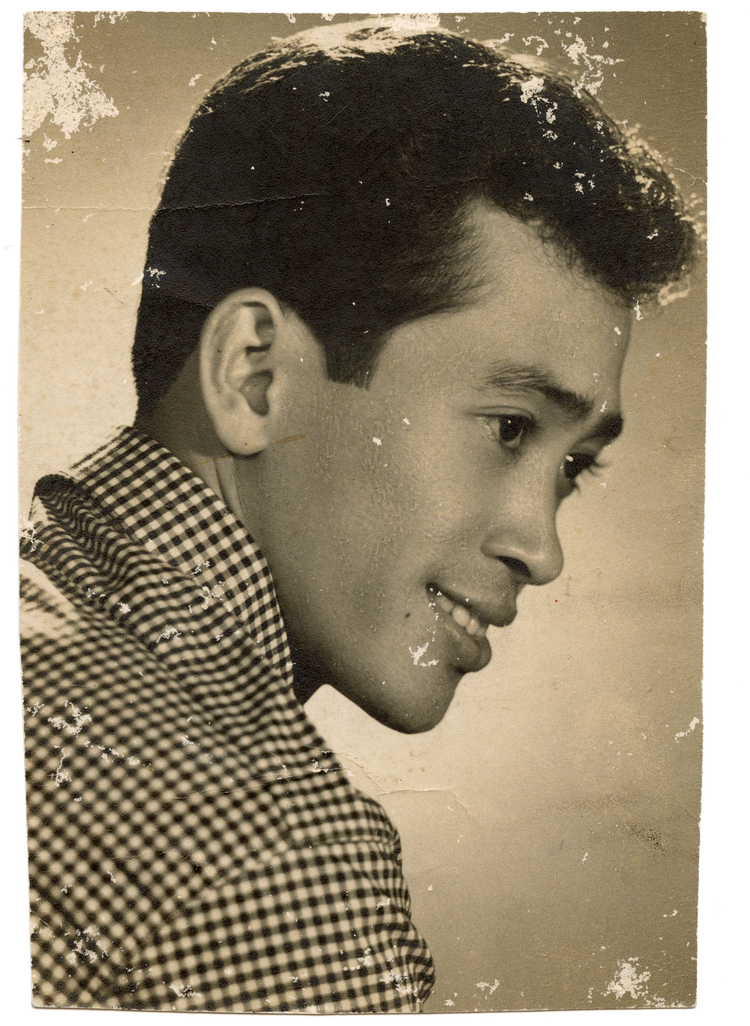
Sethon Ngeth
Photographer, year, location unknown
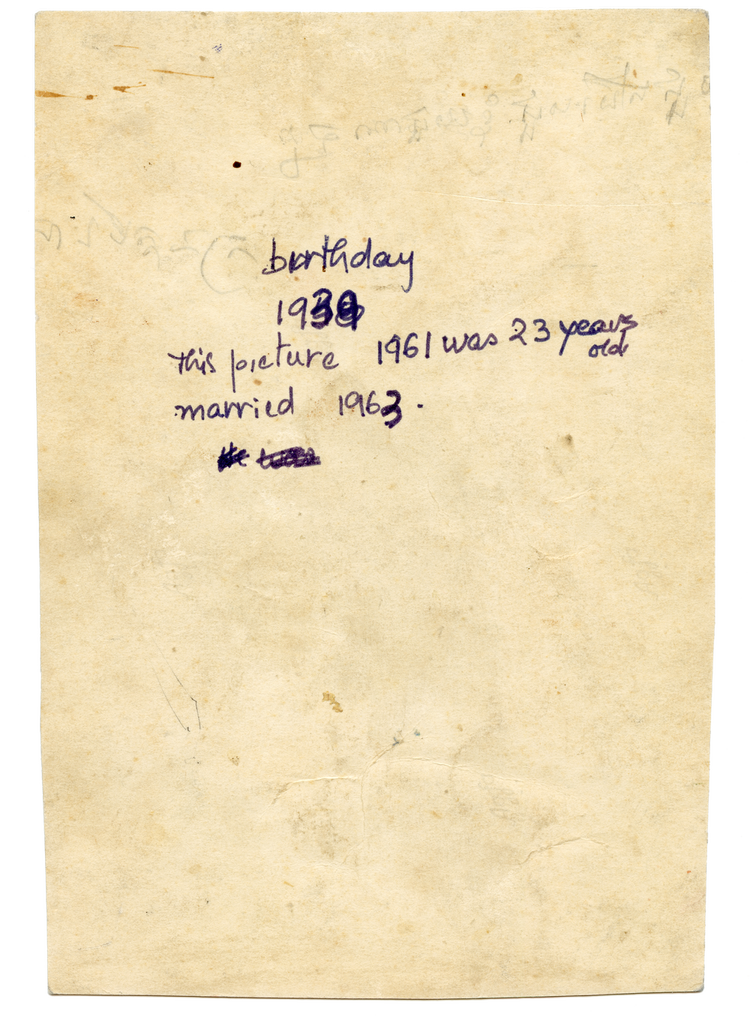
Sethon Ngeth
Photographer, year, location unknown
Because of my interest in the history of the Khmer Rouge genocide, when I was 22 I asked my mother to read her book. She always kept it hidden from my sister and I, telling us to wait until we were older because of its horrific content. Shortly after I finished it, I sat down with her and told her what I learned; that her writing was beautiful, that she went through so much, and that I strongly believed my sister and I are her sisters reincarnate. Shedding a tear, she said, "I didn't know you can think like I do.”